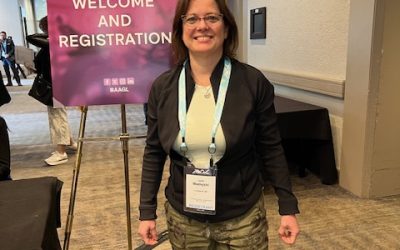
Dr. Madejski’s Quest for Women’s Health
For Dr. Julie Madejski, women’s health care begins with listening. Many gynecologic symptoms can be difficult to talk about. Heavy bleeding, unpredictable periods, pelvic discomfort and changes during menopause are sometimes minimized or accepted as something patients simply have to live with. Dr. Madejski believes these concerns deserve careful attention, particularly when they begin to affect a person’s health, comfort, or quality of life. That belief has shaped her career and the continuing evolution of Artemis Center for Menstrual Disorders & Gynecology Services.
Building Expertise with Purpose
Dr. Madejski’s path to gynecology began at the State University of New York at Buffalo, where she graduated summa cum laude from the honours program. She earned her medical degree from the University of Chicago Pritzker School of Medicine before completing her internship and residency at Strong Memorial Hospital in Rochester. She became a Fellow of the American College of Obstetricians and Gynecologists in 2000 and has also served as an instructor of clinical obstetrics and gynecology at the University at Buffalo. Over more than two decades in practice, Dr. Madejski has developed a particular focus on menstrual disorders and abnormal uterine bleeding. Her work is grounded in understanding why a patient is experiencing symptoms and helping them consider the options available, not beginning with a predetermined treatment. Sometimes the next step is reassurance or monitoring. In other situations, it may involve medication, diagnostic testing or a minimally invasive procedure. The right answer depends on the patient, the underlying cause and their individual health goals.
Expertise Requires Continual Learning.
Medicine is always changing. New research, techniques, and technologies continue to influence how gynecologic conditions can be diagnosed and treated. For Dr. Madejski, ongoing education is an essential part of providing thoughtful care. In 2024, she attended the 2nd World Summit on Hysteroscopy in Fort Lauderdale, where specialists examined developments in hysteroscopy and minimally invasive gynecologic procedures. She also attended the 53rd Global Congress on Minimally Invasive Gynecologic Surgery in New Orleans, an international gathering of physicians sharing research, techniques and different approaches to care. These events offer more than exposure to new technology. They create opportunities to ask questions, compare clinical experiences and consider how emerging knowledge may be applied responsibly in everyday practice. Attending conferences is one part of a larger commitment: staying curious, continuing to evaluate the evidence and never assuming that the way something has always been done is necessarily the only way.
The Meaning Behind Artemis
The name Artemis was chosen with intention. In Greek mythology, Artemis is associated with both the moon and the hunt. The moon reflects the cyclical nature of menstruation, while the archer represents focus, precision, and purpose. Those ideas are also reflected in the Artemis logo. The archer is more than a decorative symbol. It represents the importance of paying close attention, asking the right questions, and approaching health decisions with clear intention. Artemis also represents strength, independence, and the freedom to pursue one’s own path. Within a health care setting, that means giving patients the space to ask questions, understand their choices, and participate confidently in decisions about their bodies.
Care That Is Both Clinical and Human
Expertise is important, but so is the way care is delivered. Gynecologic concerns are personal. Patients may arrive feeling worried, uncomfortable, or frustrated after living with symptoms for months or even years. A clinical explanation alone is not always enough. Patients also need to know that their experiences are being taken seriously. Dr. Madejski’s approach brings these two sides of medicine together: focused clinical knowledge and respect for the person seeking care. It is an approach that values clear explanations, informed decision-making, and treatment plans built around individual needs. That is the continuing purpose behind her work: not simply to treat a condition, but to help patients better understand their health and move forward with greater clarity.
A Commitment That Continues
Dr. Madejski’s quest for better women’s health does not have a finish line. It continues through every patient conversation, every question asked, and every opportunity to learn. In a field where many patients have felt that their symptoms were overlooked or normalized, her commitment is straightforward: listen closely, remain curious, take concerns seriously. Over more than two decades in practice, Dr. Madejski has developed a particular focus on menstrual disorders and abnormal uterine bleeding. Her work is grounded in understanding why a patient is experiencing symptoms and helping them consider the options available, not beginning with a predetermined treatment. Sometimes the next step is reassurance or monitoring. In other situations, it may involve medication, diagnostic testing or a minimally invasive procedure. The right answer depends on the patient, the underlying cause and their individual health goals.

Fibroids, polyps or hormones? Understanding the causes of heavy bleeding.
Heavy periods are common, but that does not mean they should simply be accepted as normal. If your periods have become heavier, last longer than usual, or interfere with your daily life, there may be an underlying cause worth investigating.
Some of the most common causes of heavy menstrual bleeding include fibroids, uterine polyps and hormonal changes.
Fibroids
Fibroids are non-cancerous growths made of muscle and fibrous tissue that develop in or around the uterus. They can range from very small to quite large, and their location can affect the symptoms they cause.
Fibroids that grow within or close to the uterine cavity can contribute to heavy or prolonged periods, clotting, pelvic pressure and cramping. Some people may also experience frequent urination, abdominal fullness or discomfort during intercourse.
Not everyone with fibroids has symptoms, and treatment depends on their size, location and how much they are affecting your quality of life.
Uterine Polyps
Polyps are usually non-cancerous growths that develop from the lining of the uterus. They are often softer and smaller than fibroids and may cause a different pattern of bleeding.
Common symptoms can include spotting between periods, irregular bleeding, unusually heavy periods or bleeding after menopause.
Because polyps develop within the uterine cavity, a hysteroscopy may be recommended to allow your gynecologist to look directly inside the uterus and, when appropriate, remove the polyp.
Hormonal Changes
Your menstrual cycle is controlled by a balance of hormones, particularly estrogen and progesterone. When that balance changes, the lining of the uterus may build up more than usual or shed irregularly, resulting in heavier, longer or less predictable bleeding.
Hormonal changes can occur at many stages of life and are especially common during the years leading up to menopause. Certain medical conditions and medications can also affect your menstrual cycle.
How Do You Know What Is Causing Your Bleeding?
The symptoms of fibroids, polyps and hormonal changes can overlap, which means the cause of heavy bleeding is not always obvious from symptoms alone.
Your gynecologist may recommend an examination, ultrasound, bloodwork, endometrial biopsy or hysteroscopy depending on your symptoms, age and medical history.
If your periods are becoming increasingly heavy, lasting longer than seven days, causing significant pain, or leaving you feeling tired or weak, it is worth speaking with your healthcare provider.
Understanding why the bleeding is happening is the first step toward finding the treatment that is right for you.

Waiting for a Hysteroscopy in Canada? A Timely Care Option Across the Border
When you are experiencing heavy, irregular or unexpected bleeding, waiting months for answers can be difficult. Your symptoms may be disrupting your work, sleep, travel and everyday life—and uncertainty about what is causing them can create additional stress.
For Canadians facing a long wait for gynecologic assessment or hysteroscopy, private care at Artemis Center for Menstrual Disorders in Western New York may provide another option.
Specialist wait times remain a challenge in Canada
Many Canadian patients experience significant delays before they can see a specialist and begin the diagnostic process.
According to Statistics Canada, among Canadians who had an initial specialist consultation in 2024:
- 35% waited less than one month
- 30% waited between one and three months
- 36% waited three months or longer
A separate 2026 Statistics Canada study found that 27.8% of Canadians aged 45 and older reported difficulty accessing specialist care. Middle-aged women were particularly affected: 33.4% of women between 45 and 64 reported access difficulties.
These figures apply to specialist care broadly and are not specific to hysteroscopy. However, they reflect an access challenge familiar to many patients: the wait for an initial consultation may be followed by another wait for diagnostic testing or treatment.
Why abnormal bleeding deserves timely attention
Abnormal uterine bleeding can include:
- Periods lasting longer than seven days
- Bleeding that is much heavier than usual
- Bleeding or spotting between periods
- Unpredictable or increasingly frequent periods
- Bleeding after sex
- Any bleeding after menopause
- Bleeding that causes fatigue, weakness or shortness of breath
- Menstrual symptoms that interfere with work, sleep or normal activities
Heavy or prolonged bleeding can contribute to iron-deficiency anemia and significantly affect quality of life. It may be associated with hormonal changes, perimenopause, fibroids, uterine polyps, adenomyosis, certain medications, bleeding disorders or changes involving the uterine lining.
Most causes are treatable. The first step is determining what is causing the bleeding.
What is a hysteroscopy?
A hysteroscopy is a minimally invasive procedure that allows a gynecologist to look directly inside the uterus using a thin instrument equipped with a light and camera.
Unlike an ultrasound, which creates an image of the uterus using sound waves, hysteroscopy provides a direct view of the uterine cavity. It can help identify:
- Uterine polyps
- Fibroids that extend into the uterine cavity
- Scar tissue or adhesions
- Changes in the uterine lining
- Possible explanations for heavy or irregular bleeding
- Causes of bleeding after menopause
- Certain abnormalities that may not be clearly visible on ultrasound
During a hysteroscopy, the physician may also be able to take a targeted tissue sample or treat certain findings. What can be completed during the appointment depends on the patient’s needs, medical history and the type of procedure planned.
The advantages of in-office hysteroscopy
Hysteroscopy is often associated with a hospital operating room, but many diagnostic and selected treatment procedures can be performed safely in a properly equipped office setting.
For appropriate patients, in-office hysteroscopy may offer:
- More timely access to evaluation
- A familiar, private clinical setting
- Direct examination of the uterine cavity
- The possibility of diagnosis and treatment in the same setting
- Less disruption than a hospital-based procedure
- Comfort and anesthesia options based on the planned procedure and individual patient needs
Every patient is different. Artemis reviews each patient’s history and available test results to determine whether an office-based procedure is appropriate.
Accessing hysteroscopy at Artemis from Canada
Artemis Center for Menstrual Disorders is located in Lockport, New York, within driving distance of the Niagara–Ontario border. Canadian patients who are waiting for gynecologic testing may contact Artemis to ask about arranging a private consultation and in-office hysteroscopy.
Before scheduling, you may be asked to provide:
- A description of your symptoms
- Relevant medical history
- Recent ultrasound or imaging reports
- Bloodwork or biopsy results
- A list of medications
- Notes or a referral from your Canadian healthcare provider
The Artemis team can explain which records are required, the expected cost, available payment options and whether you will need someone to accompany you home. Canadian patients should also confirm any travel requirements and ask their insurer or provincial health plan directly about possible reimbursement. Coverage cannot be guaranteed.
Following the procedure, Artemis can provide results and relevant documentation for you to share with your Canadian physician or gynecologist. Some patients may still require additional treatment or follow-up care in Canada.
You do not have to put your health on hold
If abnormal bleeding is affecting your health or quality of life, it is reasonable to ask what other diagnostic options are available.
Artemis specializes in evaluating abnormal uterine bleeding and provides on-site testing and office-based gynecologic procedures in a caring, professional environment. The goal is to help patients understand what is happening, receive clear information about their options and move forward with an appropriate treatment plan.
Waiting for a hysteroscopy or gynecologic evaluation in Canada? Contact Artemis to learn whether in-office hysteroscopy in Western New York may be an option for you.
This article provides general educational information and does not replace personalized medical advice. Seek urgent medical care if bleeding is severe or accompanied by fainting, significant dizziness, chest pain, shortness of breath or other concerning symptoms.
Sources: Statistics Canada: Wait times to see a medical specialist in Canada, 2024; Statistics Canada: Difficulties accessing specialist care, 2026; MedlinePlus: Hysteroscopy.